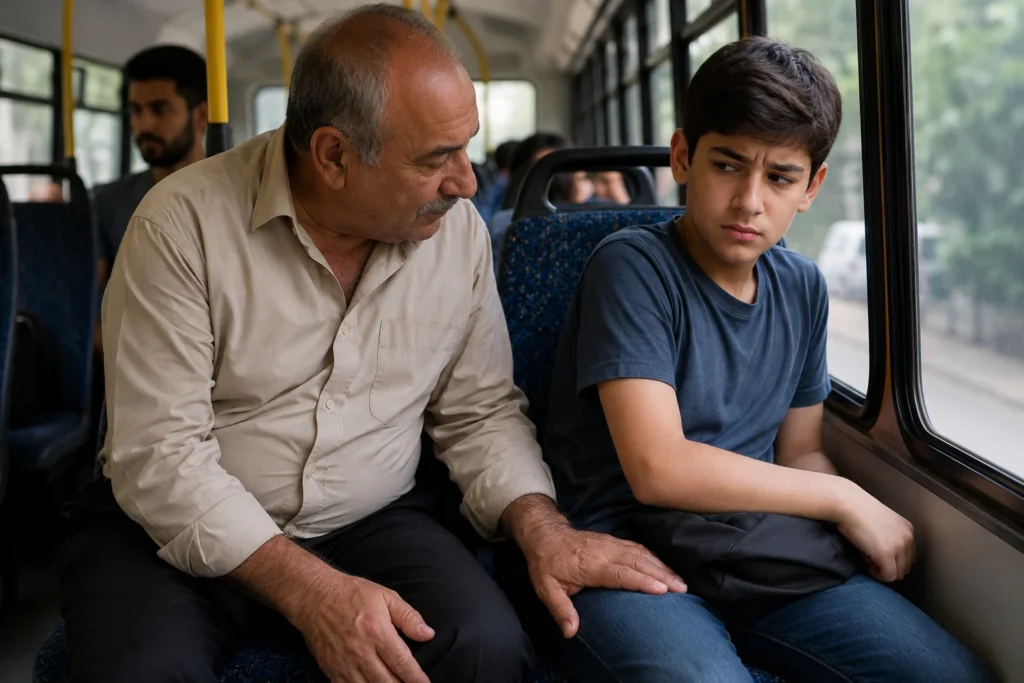
Personal boundaries are the invisible limits we set to protect our emotional, physical, mental, and personal well-being. They help define what behavior we are comfortable with and how we expect others to treat us. Healthy boundaries create respectful relationships, while ignored or violated boundaries can lead to stress, anxiety, resentment, and even emotional harm.
Unfortunately, boundary violations don’t always happen in obvious ways. They can begin with small actions that gradually become more controlling or disrespectful over time. Learning to recognize these warning signs can help you protect yourself and maintain healthier relationships.

This guide explains the common signs that someone is violating your personal boundaries and offers practical advice on how to respond.
What Are Personal Boundaries?
Personal boundaries are the limits you establish to protect your physical space, emotions, time, privacy, values, and personal choices. They allow you to communicate what is acceptable and what is not.
Healthy boundaries vary from person to person. What feels comfortable for one individual may not feel comfortable for another, and that’s perfectly normal.
Why Personal Boundaries Matter
Strong boundaries help you:
- Protect your emotional well-being.
- Build mutual respect in relationships.
- Reduce stress and anxiety.
- Improve self-confidence.
- Prevent manipulation and unhealthy dependence.
- Create healthier communication with others.
When someone repeatedly ignores your boundaries, it can affect your confidence and overall quality of life.
Signs Someone Is Violating Your Personal Boundaries
1. They Ignore Your “No”
One of the clearest warning signs is when someone refuses to accept your answer.
Whether it’s asking for favors, pushing you into activities, or insisting after you’ve declined, repeatedly ignoring your “no” shows a lack of respect for your choices.
Healthy people accept your decision without constant pressure.
2. They Pressure You Into Doing Things
Someone who violates boundaries may try to convince, guilt, or pressure you into doing something you’re uncomfortable with.
Examples include:
- Lending money when you don’t want to.
- Sharing personal information.
- Attending events against your wishes.
- Making decisions you’re not ready for.
Respectful people understand that consent and comfort matter.
3. They Constantly Invade Your Privacy
Privacy is an important personal boundary.
Warning signs include:
- Reading your messages without permission.
- Checking your phone or email.
- Going through your personal belongings.
- Demanding passwords.
- Monitoring your online activity.
Trust should never require giving up your privacy.
4. They Make You Feel Guilty for Setting Limits
Some people respond to boundaries by making you feel selfish or uncaring.
They might say things like:
- “If you cared about me, you’d do it.”
- “You’re overreacting.”
- “You’re being selfish.”
These statements are often used to make you doubt yourself instead of respecting your decision.
5. They Don’t Respect Your Personal Space
Everyone has different comfort levels regarding physical distance and touch.
Someone may violate this boundary by:
- Standing uncomfortably close.
- Hugging or touching you without permission.
- Ignoring requests to stop physical contact.
- Entering your private space without asking.
Physical boundaries deserve the same respect as emotional ones.
6. They Frequently Interrupt or Dismiss Your Opinions
Healthy communication involves listening to one another.
Someone may be crossing your boundaries if they:
- Constantly interrupt you.
- Ignore your thoughts.
- Laugh at your concerns.
- Tell you your feelings don’t matter.
Feeling heard is an important part of any respectful relationship.
7. They Expect Immediate Responses
Not everyone can reply to messages or calls instantly.
A person may be violating your boundaries if they:
- Become angry when you don’t respond immediately.
- Send repeated messages demanding answers.
- Expect you to always be available.
You have the right to manage your own time.
8. They Try to Control Your Decisions
Control often starts subtly.
Examples include:
- Telling you who you should spend time with.
- Deciding how you should dress.
- Pressuring you to change your goals.
- Making important decisions without asking you.
Healthy relationships encourage independence rather than control.
9. They Ignore Your Emotional Needs
Respectful people acknowledge your feelings, even if they don’t always agree.
Boundary violations may include:
- Minimizing your emotions.
- Telling you to “get over it.”
- Making fun of your fears.
- Dismissing your experiences.
Emotional respect is essential for healthy relationships.
10. They Continue the Behavior After You’ve Spoken Up
Everyone can make mistakes.
The real concern begins when someone continues violating your boundaries after you’ve clearly explained how their behavior affects you.
Repeated disrespect often indicates that they value their wants more than your comfort.
How Boundary Violations Affect You
When personal boundaries are repeatedly ignored, you may experience:
- Stress
- Anxiety
- Low self-esteem
- Emotional exhaustion
- Anger
- Fear of speaking up
- Difficulty trusting others
Over time, these feelings can affect your overall mental and emotional well-being.
How to Respond to Boundary Violations
Communicate Clearly
Express your boundaries calmly and directly.
For example:
- “I’m not comfortable with that.”
- “Please don’t go through my personal belongings.”
- “I need you to respect my decision.”
Clear communication reduces misunderstandings.
Stay Consistent
If you set a boundary, maintain it.
Changing your answer because of pressure teaches others that persistence will eventually change your mind.
Consistency builds confidence.
Limit Contact When Necessary
If someone repeatedly ignores your boundaries despite respectful conversations, you may need to reduce contact or create more distance.
Protecting your peace is sometimes the healthiest decision.
Seek Support
If you’re struggling with ongoing boundary violations, talk to someone you trust, such as:
- A close friend
- A family member
- A counselor
- A therapist
Support from others can help you make informed decisions.
Trust Your Instincts
If a situation consistently makes you uncomfortable, don’t ignore that feeling.
Your instincts exist for a reason, and paying attention to them can help you avoid unhealthy relationships.
How to Build Stronger Personal Boundaries
Healthy boundaries become easier with practice.
You can strengthen them by:
- Learning to say no without guilt.
- Respecting your own needs.
- Spending time with people who respect your limits.
- Communicating honestly.
- Practicing self-confidence.
- Recognizing manipulative behavior early.
Building boundaries is an ongoing process, not a one-time decision.
Final Thoughts
Recognizing when someone is violating your personal boundaries is an important step toward protecting your emotional, mental, and physical well-being. Healthy relationships are built on mutual respect, trust, and open communication—not pressure, guilt, or control.
Remember that your boundaries are valid, even if others don’t understand them. You have the right to say no, protect your privacy, express your feelings, and make choices that support your well-being. The more you practice setting and maintaining healthy boundaries, the more confident and secure you’ll become in every area of your life.
FAQs
Q1. What are personal boundaries?
Personal boundaries are the physical, emotional, and mental limits you set to protect your well-being. They help define what behavior you are comfortable with and how you expect others to treat you.
Q2. How can I tell if someone is violating my boundaries?
Common signs include ignoring your “no,” invading your privacy, pressuring you into uncomfortable situations, dismissing your feelings, or refusing to respect your personal space and decisions.
Q3. What should I do if someone keeps crossing my boundaries?
Communicate your boundaries clearly and calmly. If the behavior continues, stay firm, limit contact if necessary, and seek support from someone you trust or a qualified professional.
Q4. Is it okay to distance myself from someone who doesn’t respect my boundaries?
Yes. Protecting your emotional and physical well-being is important. Creating distance from someone who repeatedly ignores your boundaries can be a healthy and necessary choice.
Q5. Can setting boundaries improve my relationships?
Absolutely. Healthy boundaries encourage mutual respect, honest communication, trust, and stronger relationships while reducing stress and resentment.
Disclaimer: This article is intended for general educational and informational purposes only. It is not a substitute for professional medical, mental health, or legal advice. If you are experiencing abuse, harassment, or feel unsafe, seek help from a trusted person, qualified professional, or your local emergency services immediately.
Read More:
How to Say “No” Without Feeling Guilty: Build Healthy Boundaries with Confidence
What to Do If Someone Touches Your Chest While You’re Sleeping: A Safety Guide