Planning a wedding reception can feel overwhelming, especially when you want to create a memorable celebration without spending beyond your budget. A well-organized plan, realistic priorities, and smart decisions can help you host a beautiful reception for around 100 guests while keeping expenses under control.
A moderate-budget wedding does not mean compromising on happiness or elegance. With the right approach, you can create a warm, enjoyable event that reflects your personality and gives your guests a wonderful experience.
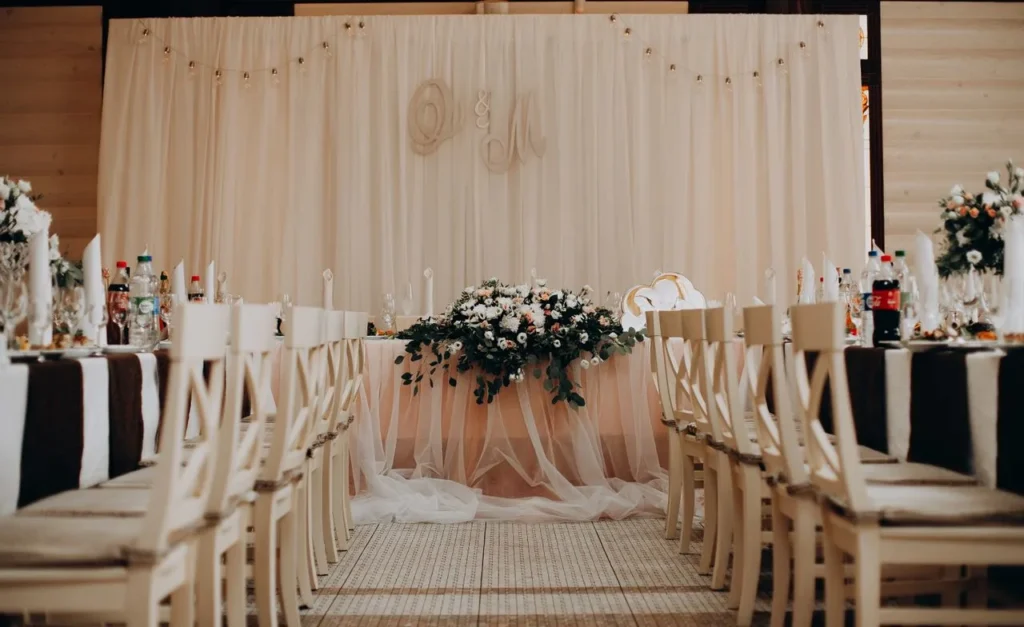
This guide covers practical planning steps and a sample timeline to help you organize your wedding reception smoothly.
Step 1: Decide Your Budget First
Before booking vendors or choosing decorations, decide how much you are comfortable spending. A clear budget helps prevent unnecessary expenses and keeps your planning focused.
For a reception with around 100 guests, divide your budget into major categories:
- Venue and catering: 40–50%
- Decorations and lighting: 10–15%
- Photography and videography: 10–15%
- Entertainment and music: 5–10%
- Wedding attire and accessories: 10%
- Invitations, favors, and miscellaneous expenses: 5–10%
Keep a small emergency fund for unexpected costs such as extra guests, last-minute changes, or additional services.
Step 2: Create a Guest List Carefully
The number of guests has the biggest impact on your overall budget. A reception for 100 guests is already a comfortable size, allowing you to spend more quality time with everyone.
Start by making categories:
- Immediate family
- Close relatives
- Friends
- Colleagues and professional contacts
Be realistic while creating the list. Every additional guest increases costs for food, seating, invitations, and other arrangements.
Step 3: Choose the Right Venue
The venue often becomes the foundation of your reception planning. Look for a place that fits your guest count and budget.
Consider options such as:
- Community halls
- Garden venues
- Small banquet halls
- Restaurant spaces
- Family-owned properties
When comparing venues, ask about:
- Rental charges
- Catering options
- Decoration rules
- Parking availability
- Seating arrangements
- Additional service fees
A beautiful but affordable venue can reduce the need for expensive decorations.
Step 4: Plan the Menu Wisely
Food is usually one of the biggest expenses at any wedding reception. The goal is to offer delicious options without creating unnecessary waste.
For a moderate budget:
- Choose a balanced menu instead of too many dishes.
- Focus on quality rather than quantity.
- Consider buffet-style service to reduce staffing costs.
- Include popular dishes that most guests will enjoy.
Before finalizing the menu, ask about tasting sessions and confirm what is included in the catering package.
Step 5: Select a Simple but Elegant Theme
You do not need extravagant decorations to create a beautiful atmosphere. A thoughtful theme with the right colors, lighting, and arrangements can make a venue look special.
Budget-friendly decoration ideas include:
- Seasonal flowers
- Warm lighting
- Minimal table decorations
- Personalized photo displays
- DIY welcome signs
- Simple stage decoration
Focus your spending on areas guests notice most, such as the entrance, dining area, and couple’s stage.
Step 6: Hire Important Vendors Early
Popular wedding vendors often get booked months in advance. Start researching and comparing options early.
Important vendors include:
Photographer and Videographer
Choose someone whose style matches your preferences. Look at previous work and understand what packages include.
Music and Entertainment
A good playlist or affordable DJ can create the right atmosphere without requiring a huge entertainment budget.
Makeup Artist and Attire Services
Book professionals who fit your style and budget. Avoid choosing only based on the lowest price.
Sample Wedding Reception Planning Timeline
9–12 Months Before the Reception
At this stage, focus on the major decisions.
Tasks to complete:
- Set your total budget.
- Finalize the guest count estimate.
- Choose the wedding date.
- Book the venue.
- Research and shortlist major vendors.
- Decide the overall theme and style.
Early planning gives you more choices and better prices.
6–8 Months Before the Reception
Now focus on important details.
Complete these tasks:
- Book photographer and videographer.
- Finalize catering options.
- Select wedding outfits.
- Plan decoration ideas.
- Research entertainment options.
- Create a preliminary event schedule.
4–5 Months Before the Reception
Start managing guest communication and smaller arrangements.
Things to do:
- Finalize invitation designs.
- Confirm menu options.
- Arrange transportation if needed.
- Choose wedding favors.
- Plan seating arrangements.
- Discuss decoration details with vendors.
2–3 Months Before the Reception
This is the time to confirm everything.
Checklist:
- Send invitations.
- Confirm guest attendance.
- Finalize vendor contracts.
- Schedule outfit fittings.
- Prepare music selections.
- Review the complete event timeline.
1 Month Before the Reception
Focus on final preparations:
- Confirm final guest numbers.
- Make final payments where required.
- Review venue setup plans.
- Confirm vendor arrival times.
- Prepare emergency supplies.
- Assign responsibilities to family members or friends.
One Week Before the Reception
Avoid making major changes unless necessary.
Final checklist:
- Confirm all vendors.
- Prepare payment envelopes.
- Pack personal items.
- Check wedding outfits.
- Share schedules with important people.
- Get enough rest before the celebration.
Reception Day Plan
A simple timeline can keep the event organized:
Before Guests Arrive
- Venue setup completed.
- Decorations checked.
- Vendors ready.
- Couple prepared.
Guest Arrival
- Welcome guests.
- Background music plays.
- Guests enjoy refreshments.
Main Reception
- Couple entrance.
- Welcome speech.
- Dinner service.
- Photos with guests.
- Entertainment or activities.
Ending the Event
- Thank guests.
- Collect personal belongings.
- Confirm vendor responsibilities.
- Enjoy the final moments together.
Ways to Save Money Without Reducing Quality
Choose Off-Peak Dates
Wedding venues and vendors may offer better prices during less popular seasons or weekdays.
Limit Unnecessary Extras
Many small additions can quickly increase costs. Focus on things that create lasting memories.
Use Digital Invitations
Online invitations can reduce printing costs while still looking elegant.
Prioritize Guest Experience
Guests usually remember good food, comfortable seating, enjoyable music, and the happiness of the couple more than expensive decorations.
Compare Multiple Vendors
Never book the first option without comparing prices, reviews, and packages.
Common Wedding Planning Mistakes to Avoid
- Not creating a realistic budget.
- Inviting more guests than you can comfortably afford.
- Booking vendors without checking reviews.
- Ignoring hidden venue charges.
- Leaving important decisions until the last minute.
- Spending too much on trends that may not matter later.
Final Thoughts
Planning a wedding reception for 100 guests on a moderate budget is completely possible with careful organization and realistic choices. The key is to focus on what truly matters: celebrating your love, spending time with loved ones, and creating meaningful memories.
A successful reception does not depend on how much money you spend. It depends on thoughtful planning, good preparation, and the personal touches that make the day uniquely yours. With a clear timeline and smart decisions, you can enjoy a beautiful wedding celebration without unnecessary financial stress.
FAQs
1. How much does it cost to plan a wedding reception for 100 guests?
The cost depends on the venue, location, food choices, decorations, and vendors. A moderate-budget reception can be planned by prioritizing important expenses and avoiding unnecessary extras.
2. How early should I start planning a wedding reception?
Ideally, start planning 9 to 12 months before the reception. Early preparation helps you find better venues, book preferred vendors, and manage expenses effectively.
3. What is the biggest expense in a wedding reception?
Food and venue costs are usually the largest expenses. Managing guest numbers, choosing affordable venues, and selecting a practical menu can help control the budget.
4. How can I make a wedding reception look beautiful on a budget?
You can create an elegant reception by using simple decorations, smart lighting, seasonal flowers, personalized details, and focusing on important areas like the entrance and stage.
5. What are the most important things to plan for a 100-person wedding reception?
The key areas include venue selection, catering, guest management, photography, decorations, entertainment, and creating a detailed timeline to keep everything organized.
Read More: